
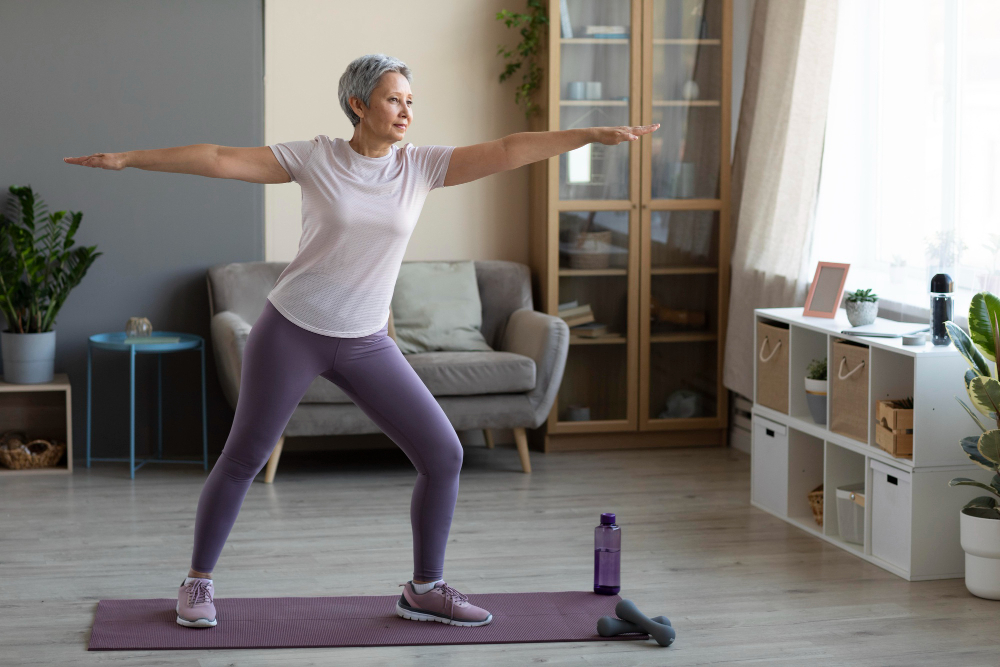
Introduction: Importance of Exercise for Women Over 60
Staying active is vital as we age. For women over 60, regular movement helps keep the body strong and flexible. In fact, exercises for women over 60 can boost balance, reduce pain, and improve mood. Safe exercises for seniors are easy to start at home. Moreover, physiotherapy for older women focuses on gentle routines that protect joints. Many experts agree that the best workouts for women 60+ can help prevent falls and support independence. Therefore, adding simple exercises to your daily routine can make a big difference.
Benefits of Regular Physiotherapy-Based Exercises
Regular exercise offers many health benefits. First, it helps maintain muscle strength and bone health. As a result, daily tasks become easier. Additionally, exercise can lower the risk of heart disease and diabetes. It also supports healthy weight and improves sleep. For older women, physiotherapy-based exercises are gentle yet effective. They focus on safe movements that protect your joints. According to the CDC, staying active can even boost brain health. So, making exercise a habit is a smart choice for lifelong wellness.
1. Seated Marching
Seated marching is a simple exercise that improves leg strength and balance. It is safe for most women over 60. You can do it while sitting in a sturdy chair.
For safety, move slowly and keep your back straight. If you feel pain, stop and rest. This exercise helps with walking and daily activities.
2. Wall Push-Ups
Wall push-ups strengthen the arms, chest, and shoulders. They are easier than floor push-ups and gentle on the joints.
Always keep your body straight. If you feel dizzy, pause and breathe deeply. Over time, you can increase the number of push-ups.
3. Heel-to-Toe Walk
This exercise improves balance and coordination. It can help prevent falls, which is important for older adults.
For extra support, hold onto a wall or sturdy chair. If you feel unsteady, stop and rest. Practice this exercise daily for better balance.
4. Standing Leg Lifts
Standing leg lifts help strengthen the hips and legs. They also support better balance and walking.
Keep your back straight and avoid leaning. If you feel pain, stop and rest. Over time, you may notice stronger legs and better stability.
5. Gentle Neck Stretches
Neck stretches can reduce stiffness and improve flexibility. They are easy to do and help relieve tension.
Move gently and avoid sudden motions. If you feel pain, stop right away. These stretches can help with daily comfort.
Tips for Getting Started and Staying Motivated
Starting a new exercise routine can feel challenging. However, small steps make it easier. Begin with short sessions and increase time as you feel stronger. Set simple goals, like exercising three times a week. In addition, invite a friend or family member to join you. This can make exercise more fun. Track your progress in a notebook or on your phone. Celebrate small wins, such as walking an extra block. Remember, consistency is key. Even gentle movement each day can lead to big health benefits.
Precautions and When to Consult a Physiotherapist
Before starting any new exercise, talk to your doctor or physiotherapist. This is especially important if you have health conditions or joint pain. Stop exercising if you feel chest pain, dizziness, or shortness of breath. Always listen to your body. If you are unsure about an exercise, ask a professional for guidance. According to the World Health Organization, safe exercise plans can be tailored to your needs. Therefore, consulting a physiotherapist ensures you get the best advice for your health.
Consult a physiotherapist at On Go Physio before starting any new exercise routine for personalized advice.