Every mom-to-be wants a smooth pregnancy. A strong pelvic floor can help make that possible. In fact, “Strong Pelvic Floor, Smooth Pregnancy!” is more than just a saying. It is a key part of pregnancy health. Many women do not realize how important these muscles are. However, taking care of your pelvic floor can lead to better comfort and easier delivery. Let’s explore why pelvic floor strength matters and how you can improve it.
What is the Pelvic Floor?
The pelvic floor is a group of muscles at the bottom of your pelvis. These muscles support your bladder, uterus, and bowels. They act like a hammock, holding your organs in place. When you walk, cough, or lift, your pelvic floor helps keep everything steady. During pregnancy, these muscles work even harder. They stretch to support your growing baby. Because of this, keeping them strong is very important.
Why is Pelvic Floor Strength Important During Pregnancy?
During pregnancy, your body changes in many ways. Your baby grows, and your uterus gets heavier. As a result, your pelvic floor muscles carry more weight. If these muscles are weak, you may have problems like:
On the other hand, a strong pelvic floor can help prevent these issues. It also helps your body recover faster after birth. According to the World Health Organization (WHO), pelvic floor exercises can lower the risk of problems during and after pregnancy.
Signs of a Weak vs. Strong Pelvic Floor
It is helpful to know the signs of weak or strong pelvic floor muscles. For example, you may notice:
Sometimes, these signs are mild. But if you notice them often, it is time to take action.
How to Strengthen Your Pelvic Floor: Safe Exercises and Tips
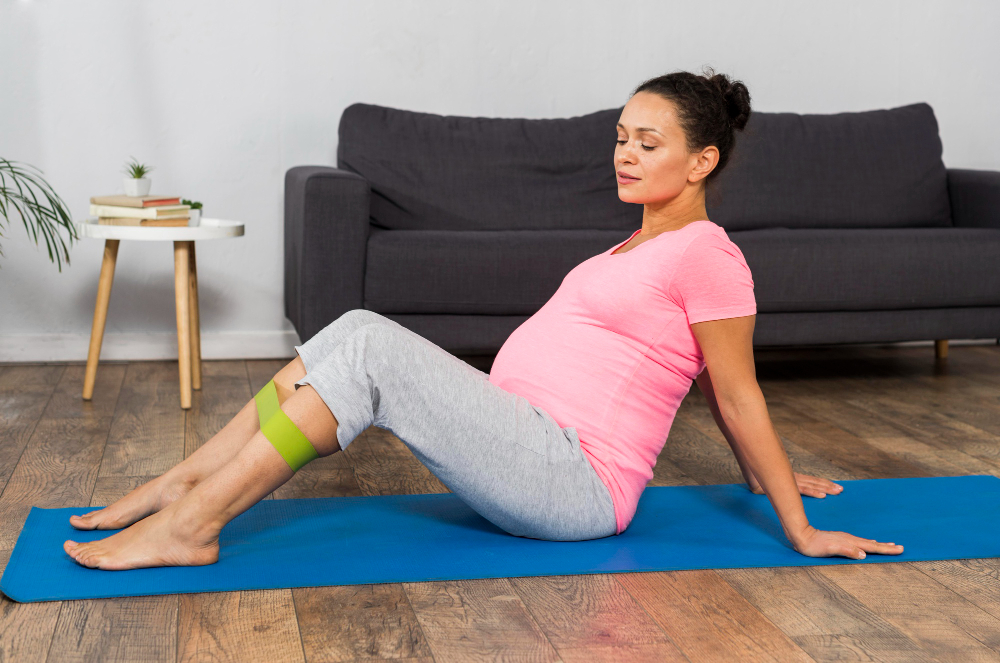
Many women ask, “How do I strengthen my pelvic floor during pregnancy?” The answer is simple: with safe pelvic floor exercises for pregnancy. These are also called Kegel exercises. Here’s how to do them:
Besides Kegels, try these pregnancy physiotherapy tips:
Always check with your doctor before starting new exercises.
Benefits of a Strong Pelvic Floor for Pregnancy and Delivery
A strong pelvic floor brings many benefits. For instance, you may notice:
According to the CDC, women who do pelvic floor exercises often feel more in control during pregnancy and after delivery.
Common Myths and Facts
There are many myths about pelvic floor health. Let’s clear up a few:
When to Seek Professional Help
Sometimes, you may need extra help. If you have pain, leaks, or trouble doing exercises, talk to a physiotherapist. In addition, if you feel a bulge or pressure in your vagina, seek help right away. A physical medicine and rehabilitation expert can guide you. They will show you safe ways to strengthen your pelvic floor.
Prevention and Lifestyle Guidance
Good habits can keep your pelvic floor strong. For example:
Above all, listen to your body. If something feels wrong, do not ignore it.
In summary, a strong pelvic floor is key for a smooth pregnancy. With simple steps, you can protect your health and your baby’s well-being. Consult a physiotherapist at On Go Physio for personalized pelvic floor guidance during pregnancy. Early support can help ensure comfort, strength, and a smoother pregnancy journey.