
Introduction
Posture problems and falls in the elderly are common health concerns. As people age, they may notice changes in how they stand or walk. These changes can lead to poor posture and a higher risk of falling. In fact, falls are a leading cause of injury in older adults, according to the CDC. Early recognition and care can help prevent serious injuries and improve quality of life.
Symptoms of Posture Problems and Fall Risk
Recognizing the signs of posture issues and fall risk is important. Early detection can help prevent accidents. Common symptoms include:
If you notice these signs, it is wise to seek help. Early action can make a big difference.
Causes of Posture Problems and Falls in the Elderly
Many factors can lead to posture problems and falls in seniors. Age-related changes are a major cause. As we grow older, our muscles and bones may weaken. This can affect balance and movement. Other common causes include:
Additionally, home hazards like loose rugs or poor lighting can increase fall risk.
Diagnosis: How Professionals Assess Posture and Fall Risk
Healthcare professionals use several methods to check posture and fall risk. First, they may ask about recent falls or near-misses. Next, they will observe how you stand, walk, and move. Simple tests, such as the “Timed Up and Go” test, help measure balance and speed. Sometimes, doctors suggest blood tests or check vision and hearing. In some cases, a physiotherapist may use special tools to assess muscle strength and joint movement. These steps help create a safe and effective care plan.
Treatment and Rehabilitation
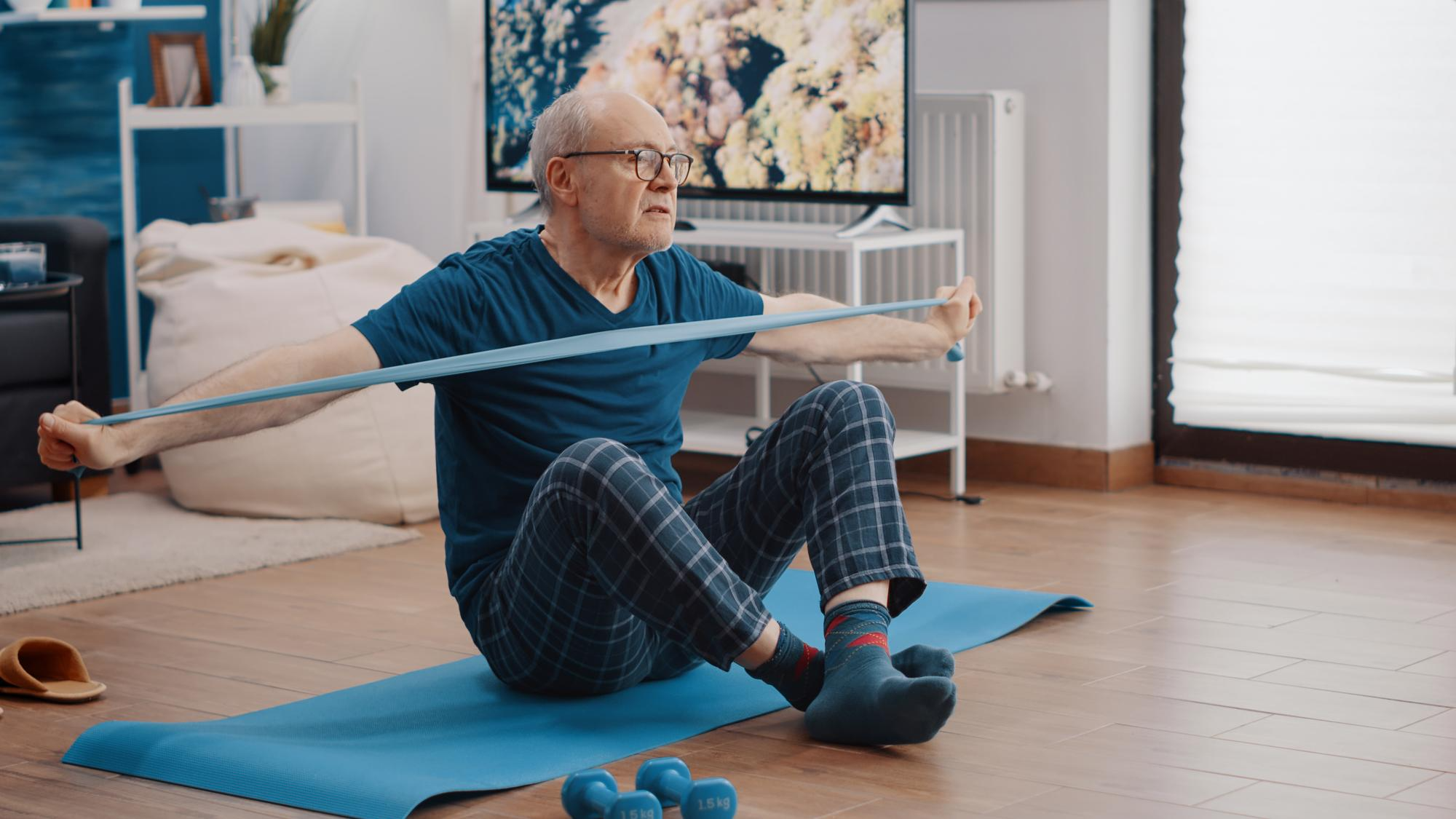
Treatment for posture problems and falls in the elderly often includes physiotherapy for seniors. A physiotherapist can design exercises to improve strength, balance, and flexibility. Common approaches include:
Moreover, regular exercise can help maintain independence. Rehabilitation may also involve learning how to get up safely after a fall. For some, occupational therapy can teach safer ways to move at home.
Prevention: Practical Tips for Fall Prevention and Posture Improvement
Preventing falls and improving posture is possible with simple steps. Here are some elderly fall prevention tips:
By following these steps, seniors can lower their risk of falling and improve posture at home.
Lifestyle Guidance: Daily Habits and Home Safety
Simple lifestyle changes can make a big difference. For example, always take your time when standing up or turning. In addition, keep items you use often within easy reach. Try to avoid bending or stretching too far. Furthermore, stay active with gentle exercises like walking or tai chi. Ask family or friends to help with heavy chores. Lastly, make sure your home is well-lit and free of obstacles. These habits support both safety and independence.
Conclusion
In summary, posture problems and falls in the elderly are common but manageable. Early action, regular exercise, and a safe home can help prevent injuries. If you or a loved one has concerns, consult a physiotherapist or healthcare provider at On Go Physio for personalized advice. Your safety and well-being matter every day.