
Introduction: Why Knee Health Matters
Your knees help you walk, run, and move freely every day. When they hurt, even simple tasks can feel hard. For this reason, it is important to heal your knees and keep them strong. Healthy knees let you enjoy life without pain. In fact, caring for your knees now can help you avoid bigger problems later. According to the World Health Organization, joint pain is a common issue worldwide. So, let’s learn how to protect and heal your knees for better movement.
Common Causes of Knee Pain and Injury
Knee pain can happen for many reasons. Sometimes, it is due to an injury. Other times, it comes from wear and tear over time. Here are some common causes:
In addition, being overweight or having weak muscles can put extra stress on your knees. Even simple falls can lead to knee injuries.
Recognizing Symptoms of Knee Problems
It is important to notice early signs of knee trouble. This way, you can start healing sooner. Common symptoms include:
If you notice these symptoms, you should pay attention. Sometimes, mild pain goes away with rest. However, ongoing pain may need treatment.
Diagnosis: How Knee Conditions Are Identified
Doctors use several ways to find out what is wrong with your knee. First, they will ask about your symptoms and check your knee. Next, they may order tests such as:
Sometimes, blood tests are used to rule out infections or other diseases. Early diagnosis helps you heal your knees faster and more effectively.
Evidence-Based Physiotherapy and Rehabilitation Treatments
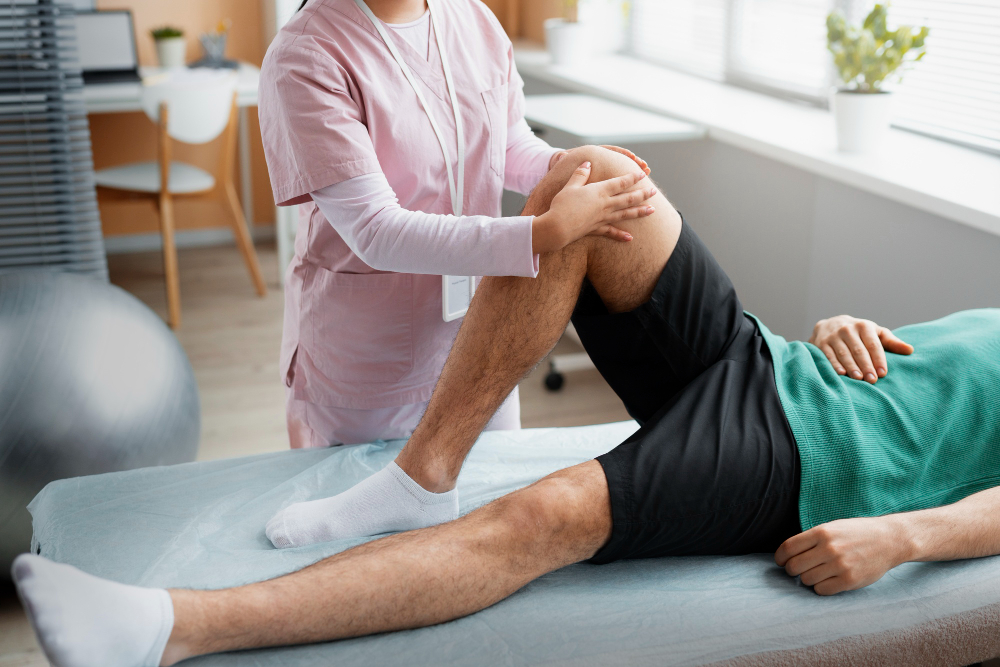
Physiotherapy for knee pain is a proven way to help you move freely with healthy knees. According to the CDC, exercise and therapy can reduce pain and improve function. Here are some common treatments:
With the right plan, you can heal your knees and get back to daily activities. Always follow your physiotherapist’s advice for the best results.
At-Home Exercises and Lifestyle Tips to Support Knee Healing
Even at home, you can help your knees recover. For example, simple knee rehabilitation exercises can make a big difference. Try these tips:
Additionally, avoid sitting for long periods. Instead, stand up and move around often. If an exercise causes sharp pain, stop and rest.
Prevention Strategies for Long-Term Knee Health
It is easier to prevent knee problems than to treat them. Here are some ways to keep your knees healthy for years to come:
Moreover, listen to your body. If you feel pain, take a break. Small changes now can help you move freely with healthy knees later.
When to Seek Professional Help
Sometimes, home care is not enough. If you have severe pain, swelling, or cannot move your knee, see a doctor right away. Also, if your knee gives out or locks, get help. Early treatment can prevent long-term damage. Remember, a physiotherapist can guide you with safe knee rehabilitation exercises and a plan just for you.
Conclusion
Healthy knees help you enjoy life and move without pain. By knowing the causes, symptoms, and treatments, you can heal your knees and stay active. For the best care, consult a physiotherapist at On Go Physio for personalized knee care and guidance.